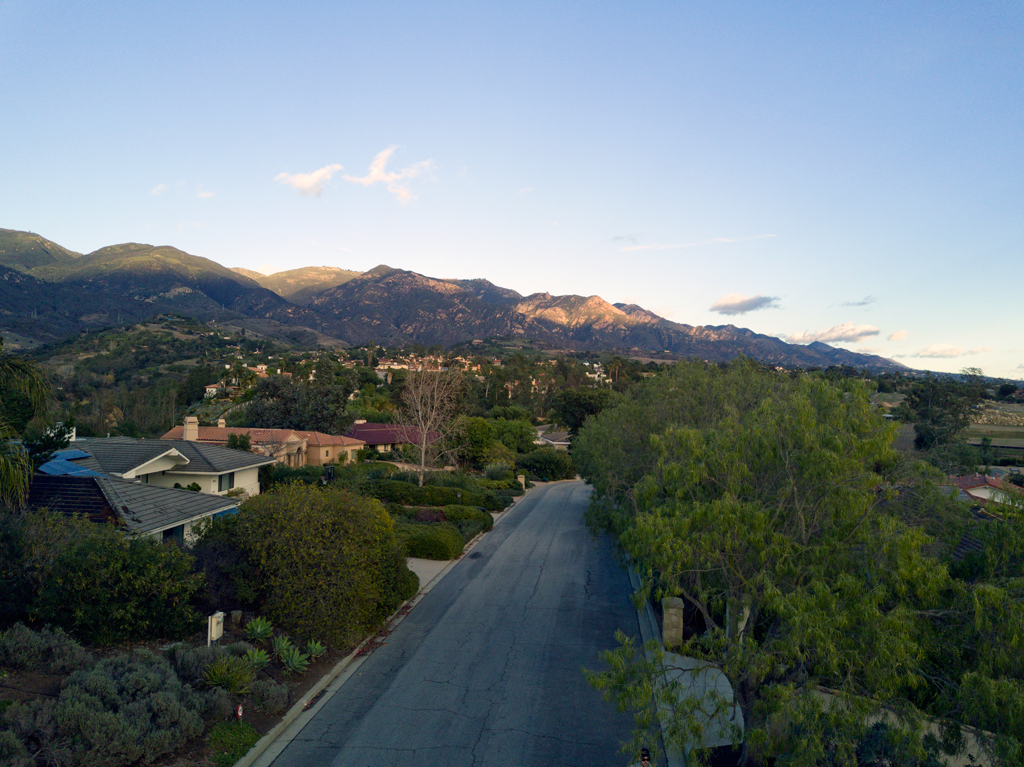
A Community of 77 Homes in the Eastern Goleta Valley
About the Park Highlands Association (PHA)
The Park Highlands Association is a self-managed* HOA made up of 77 single-family residences, located north of Tucker's Grove Park. The neighborhood was intentionally designed without telephone poles or overhead wiring, to preserve natural views. Park Highlands was among the earliest residential subdivisions to adopt fully underground utilities within Santa Barbara County. The developer also chose not to install streetlights — a deliberate decision to minimize nighttime ‘light-pollution’.
The PHA isn’t legally classified as a Common Interest Development (CID) under California law. That's because there are no shared amenities like common spaces, shared facilities, or private roads — each homeowner maintains their own property. As a result, the Davis-Stirling Act, which sets rules for most HOAs in California, doesn’t technically apply to us. However, the PHA’s bylaws align with most of the Davis-Stirling Act’s key provisions, including open meetings, fair elections, financial disclosures, and member rights. Since we’re not a CID, the PHA only handles necessary administrative tasks.
The PHA does not impose monthly dues. Homeowners are assessed about $100-120 every two years to pay for basic expenses like Directors and Officers (D&O) insurance and administrative costs. The Association maintains a reasonable level of reserve funds which may be used to pay for professional services — such as legal advice or architectural consulting — if something unexpected happens, like a natural disaster or legal issue. These reserves help protect homeowners from surprise fees by reducing the need for special assessments.
-
A self-managed Homeowners Association (HOA) is one where the elected directors handle all operations—administrative functions, finances, and rule enforcement—without hiring a professional management company.
Key characteristics:
Volunteer-led: Board members personally organize all meetings, maintain official meeting minutes, manage the budget and owner assessments, and enforce rules.
Pros: Eliminates management company fees and gives residents direct control.
Cons: Requires volunteers and volunteer time, carries liability risks if data is mishandled, and lacks the administrative ‘buffer’ that a professional firm provides.